
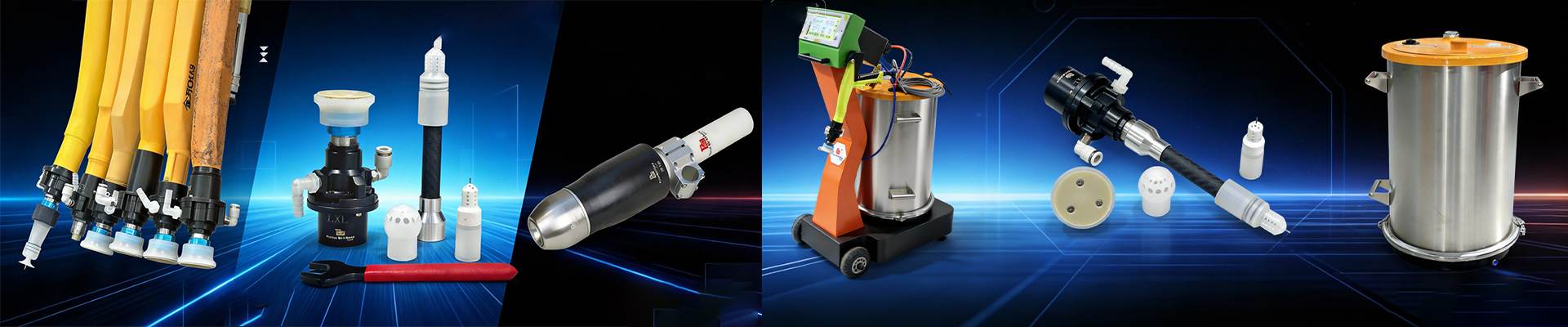
Air-Spray Powder Guns vs Rotary Atomization: Why Airflow Matters in Recessed Areas
If the lip of a channel is already heavy but the bottom is still thin, another full pass will often add powder to the lip without fixing the root. Before changing guns, find out whether powder is missing the opening, being pulled onto the edges, or reaching the recess without depositing evenly.
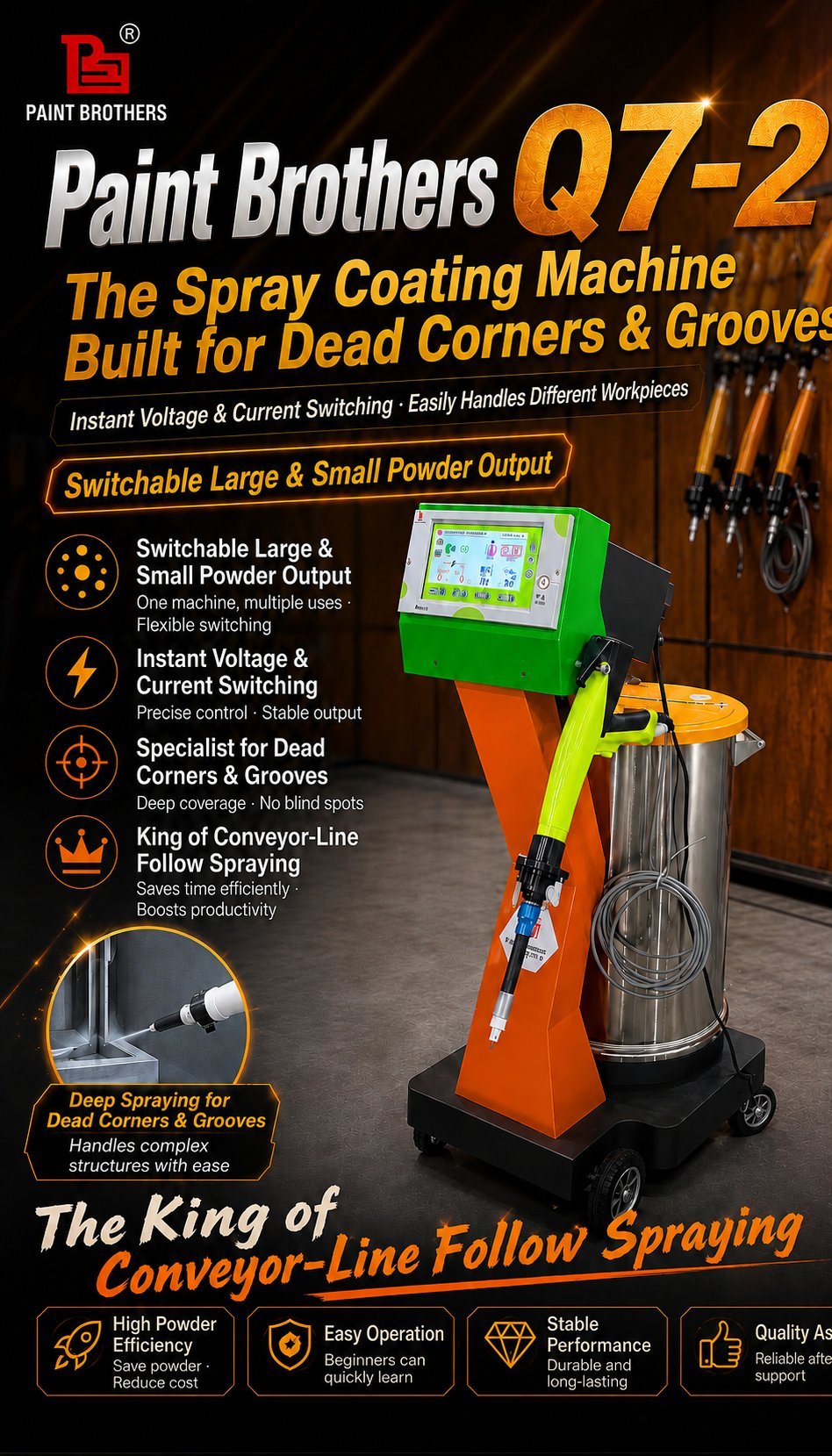
What airflow does at the mouth of a recess
When a spray plume enters a blind pocket, the air already inside needs a way out. Too little momentum can leave the cloud short of the target; too much air can make the flow turn or recirculate at the opening and disturb material that has already settled. More or less air can help depending on the geometry. The useful test is whether the cured film at the root improves without making the lip too thick.
Electrostatic attraction is a separate factor. The electric field tends to favor exposed edges and projecting features, so the particles that reach the opening may deposit there instead of continuing inside. See our guide to Faraday cage effects in deep corners for more on that distinction.
Air-spray powder guns vs rotary atomization
Air-spray guns: aim the plume with the nozzle
In this comparison, air-spray refers to conventional dry powder application where the delivery air and nozzle help determine the spray pattern. It does not refer to liquid paint or a specific charging method. A suitable nozzle can direct a plume toward an accessible groove. Where the material lands also depends on powder feed, air settings, distance, and how the part is hung.
Rotary cups: spread the powder mechanically
A spinning cup distributes dry powder into a spray pattern mechanically. This gives the operator another way to shape the cloud without depending on a concentrated forward jet for the entire pattern. It does not mean the powder feed or spray booth is air-free. A wider cloud may help on an open channel or welded intersection, while a narrow or obstructed pocket may still need a different approach angle or a more focused nozzle.
Diagnose the pattern before changing equipment
- Heavy lip and light root: Verify grounding and compare a recess-first pass against your standard sequence. Check whether lower electrostatic intensity within the equipment instructions reduces edge loading.
- One sidewall light and the opposite side satisfactory: Test a second approach angle with the same settings. If the thin area moves with the angle, part access is likely contributing.
- Coverage changes when the part moves across the booth: Check whether the plume is being deflected. Keep ventilation within the approved operating conditions; do not reduce extraction to improve deposition.
- Unstable or pulsing plume: Address feed and nozzle condition before comparing spray technologies. An unstable baseline makes any comparison hard to interpret.
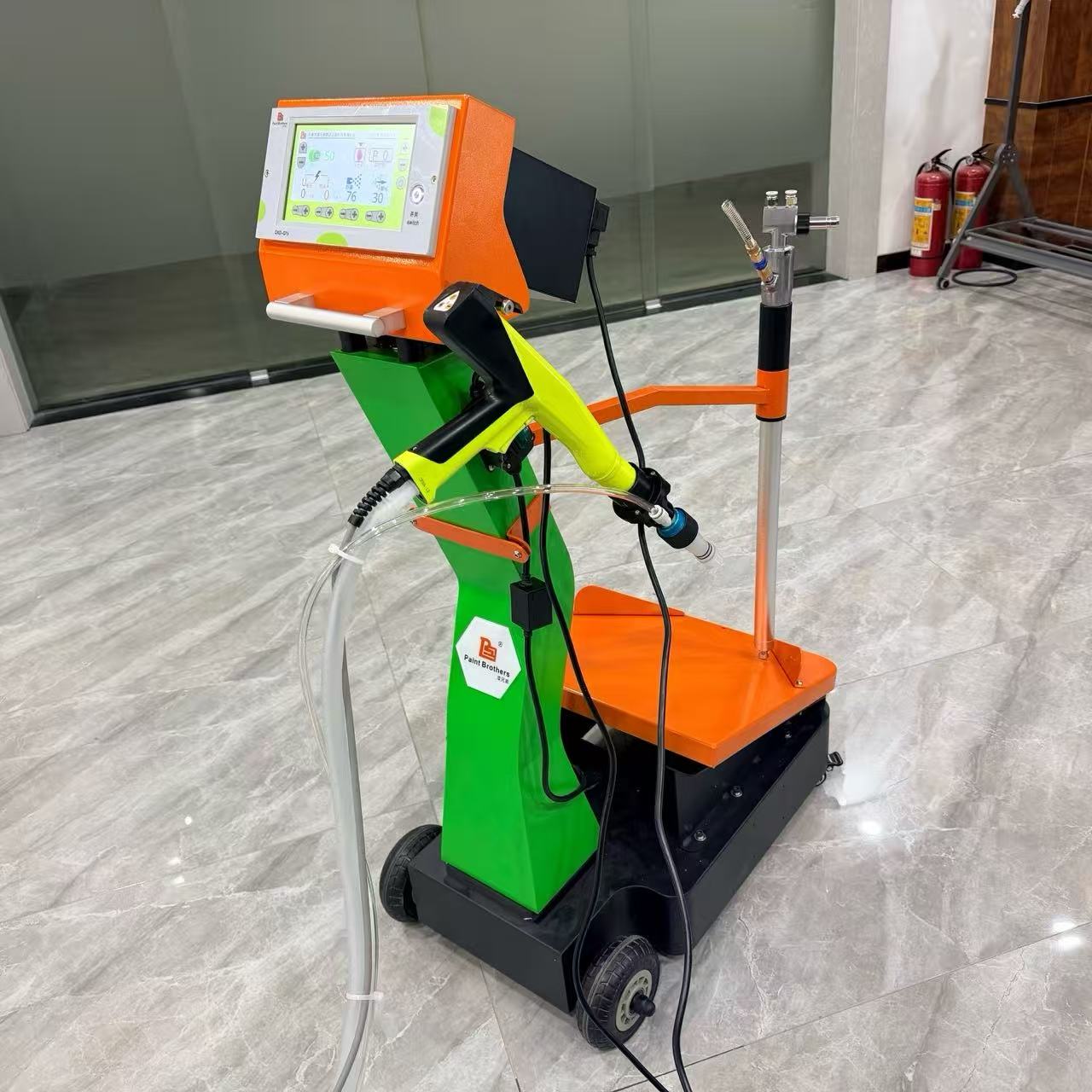
Run a sample trial that answers the buying question
- Choose a representative part with a recurring recess defect and another part with an easy open surface.
- Keep the powder batch, pretreatment, racking, booth conditions, and cure schedule comparable. Use a suitable setup for each gun rather than forcing identical air settings.
- Mark repeatable inspection points at the opening, sidewalls and root. Measure cured film where the gauge is appropriate for the geometry. If the probe cannot reach the root reliably, agree on a suitable inspection method before the trial.
- Compare accepted parts, touch-up time, and cleaning effort as well as coverage. A gain in a deep channel is valuable only if it solves a real production problem.
When to test a different powder gun
Keep the existing air-spray setup if a validated nozzle and spray sequence meet your requirements at an acceptable cost. Trial rotary atomization if airflow and edge loading still make recessed coverage inconsistent after you have checked the fixture, powder feed and gun path. For mixed work, a separate recess pass may be more practical than changing the entire line.
Send QXD / Paint Brothers a drawing or photo of the part, the opening width and depth, your powder type, and the film readings at the lip and root. Review the Q7 handheld rotary cup gun or request a sample spray trial using your own parts.